Traditional grinding wheels use a hard grinding method. When polishing thin-walled metal parts, thin profiles, and soft aluminum, the excessive force and high friction can easily damage the base material, thin the workpiece, and cause surface dents and edge deformation. This results in an extremely high scrap rate for precision thin-walled parts, making it difficult to implement high-end thin-walled polishing processes.
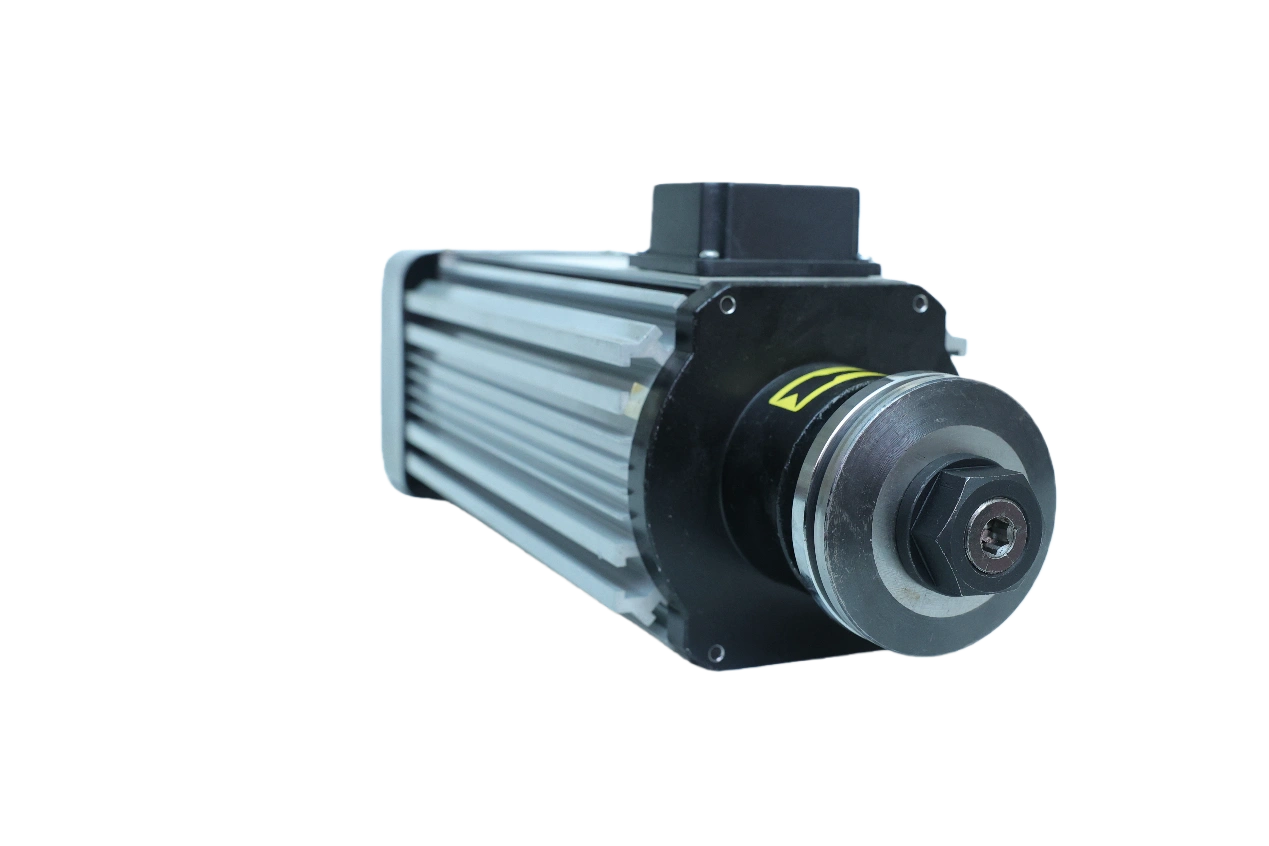
1. The spindle cutting motor, combined with the flexible polishing process using a thousand-leaf wheel, allows the wheel to conform flexibly to the workpiece surface. This results in a fine, gentle polishing action that removes only surface oxide scale, sanding marks, and surface imperfections without damaging the base material, compromising dimensions, or causing deformation due to compression.
2. This process is particularly well-suited for high-gloss polishing of thin-walled parts, precision small parts, and decorative components.
It completely resolves the pain points of material damage, deformation, and dimensional deviations caused by rigid grinding, balancing defect removal with workpiece protection. It ensures that the dimensional standards of precision workpieces remain unchanged while significantly enhancing surface texture, making it easy to solve the finishing challenges of thin-walled, irregularly shaped, and precision workpieces.

888 Huaihe West Road, Huangdao District, Qingdao City, Shandong Province
Copyright © 2025 by Shandong Longchi Electric Motor Co., Ltd. All Rights Reserved