1. For irregularly shaped workpieces, right-angle edges, grooved gaps, and the edges of profiles, standard handheld grinders are limited in the angles they can reach and produce uneven pressure.
2. This often results in large areas not being properly ground, residual burrs on edges and corners, and uncleaned blind spots, leading to low quality inspection pass rates and frequent rework and repairs.
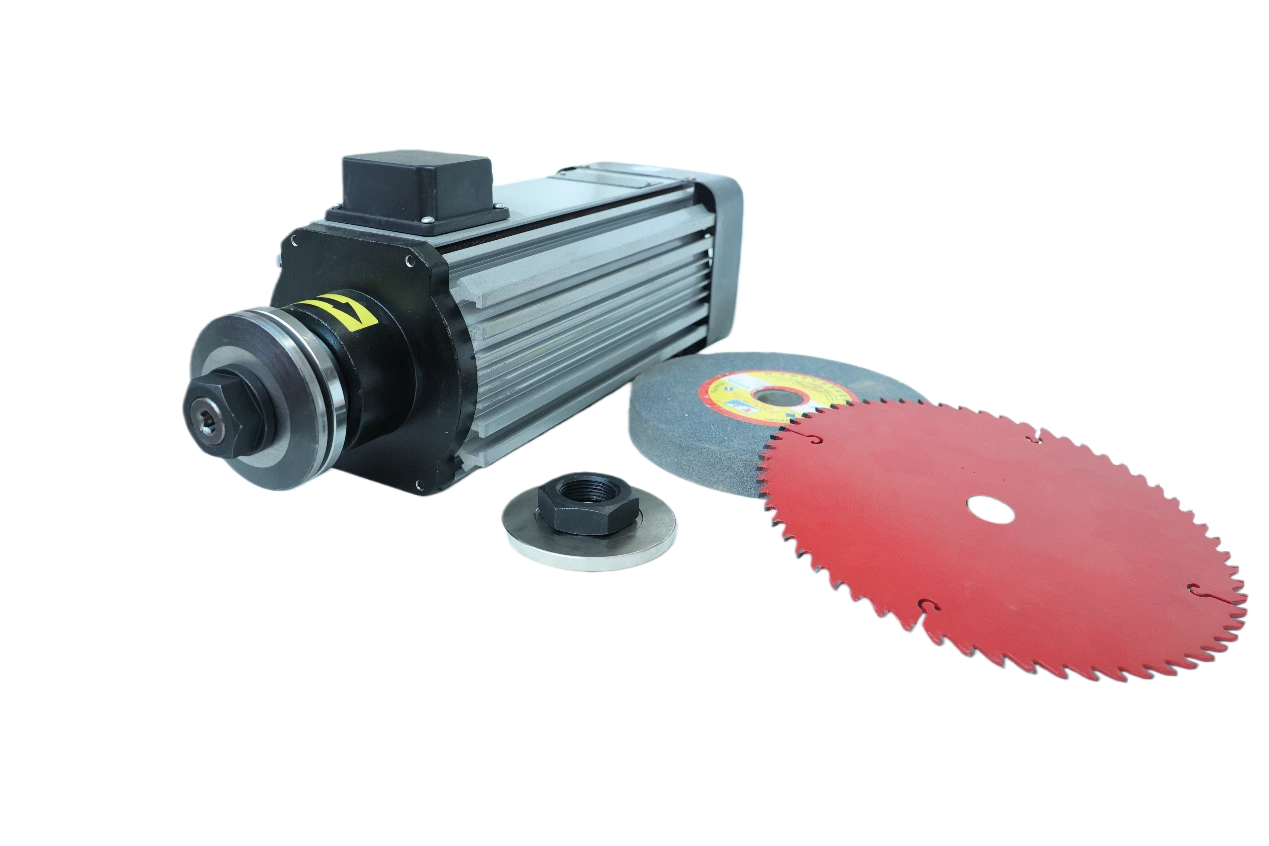
1. The spindle-driven cutting motor securely clamps the grinding wheel in place, enabling high-speed, constant-force vertical grinding with stable pressure and uniform cutting. It allows for precise, targeted grinding of edges, gaps, and uneven surfaces.
2. It thoroughly removes welding slag, flash, sharp edges, and protruding defects, leaving no blind spots, no residue, and no uneven grinding.
3. This effectively addresses the pain points of manual grinding—such as numerous hard-to-reach areas, residual burrs, and high rework rates. Mechanical precision grinding offers higher accuracy and more thorough defect removal, ensuring consistent grinding standards for batch-produced workpieces. It eliminates the need for rework on defective parts, significantly improves the quality inspection pass rate, and saves on labor and time costs associated with rework and repairs.

888 Huaihe West Road, Huangdao District, Qingdao City, Shandong Province
Copyright © 2025 by Shandong Longchi Electric Motor Co., Ltd. All Rights Reserved