Class 1 energy efficiency motors are becoming increasingly widespread in the industry. They are suitable for equipment that operates continuously over long periods with stable loads:
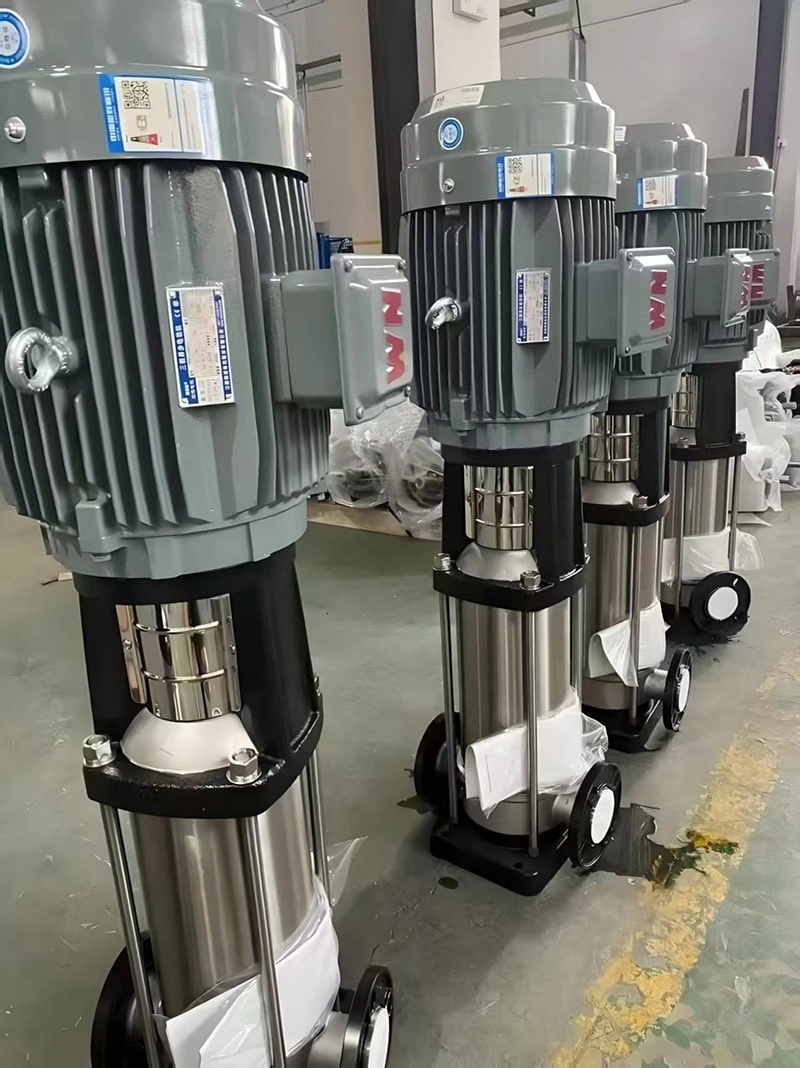
- Fans, pumps, compressors, conveyor belts
- Chemical processing, metallurgy, water treatment, central air conditioning, etc.
Key takeaway: Class 1 energy efficiency = IE5 = ultra-high efficiency = long-term energy savings + long service life + low noise.
Current Chinese Standard: GB 18613-2020 (effective June 1, 2021), classified into Levels 1, 2, and 3, with Level 1 being the highest and Level 3 the lowest entry requirement.
- International Equivalents: Class 1 = IE5 (Super-Efficient), Class 2 = IE4, Class 3 = IE3.
- Efficiency Range (Common Three-Phase Induction Motors): - Class 1 (IE5): Approx. 90%–96%
- Class 2 (IE4): Approx. 88%–94%
- Level 3 (IE3): approx. 85%–92%
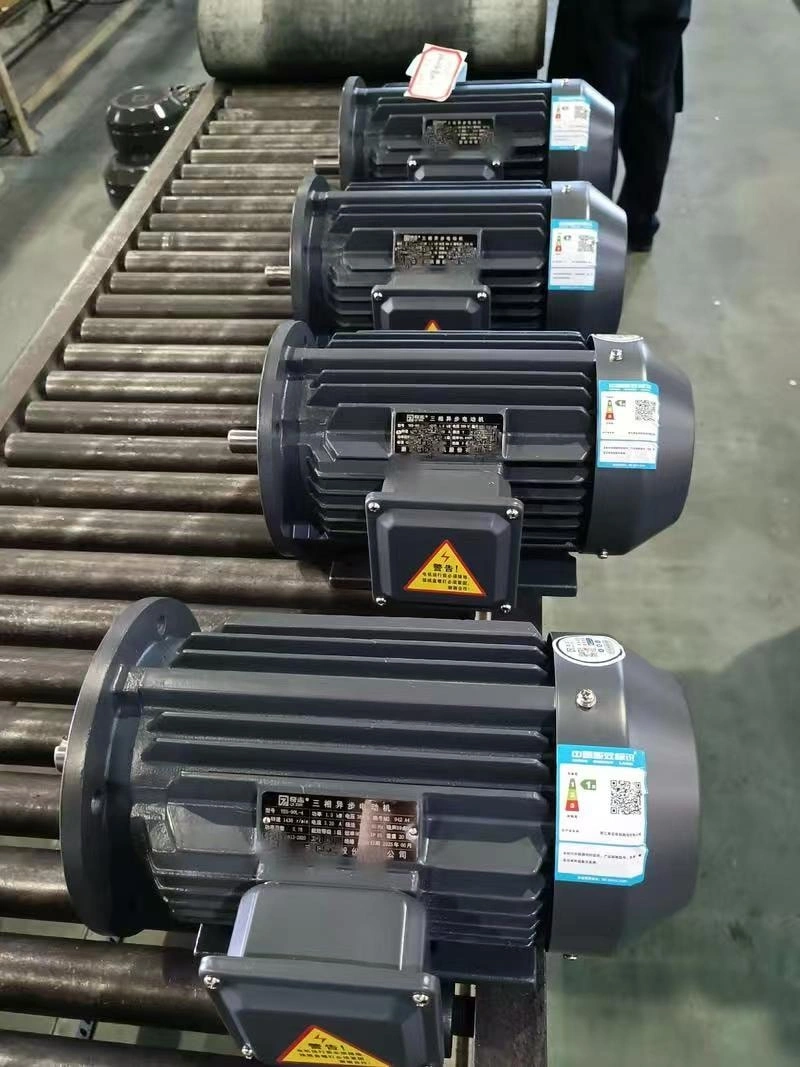
II. Key Features (Why It Saves Energy)
- Superior Materials: High-purity copper wire and 0.35mm ultra-thin, high-permeability silicon steel sheets reduce copper and iron losses.
- Optimized Design: Electromagnetic optimization, low-loss bearings, and noise-reducing fans maintain 90%+ efficiency even at 50% load.
- Lower losses: Total losses are 30%–50% lower than Class 3 efficiency motors, resulting in lower temperature rise during long-term operation and extended service life.
III. Differences from Standard Motors (Class 3) (Example: 11 kW / 4-pole / 8,000 hours per year)
- Class 1 Efficiency: Efficiency ≈ 94%, Annual power consumption ≈ 93,000 kWh
- Tier 3 Energy Efficiency: Efficiency ≈ 88%, annual power consumption ≈ 99,000 kWh
- Annual electricity savings ≈ 6,000 kWh; the price difference can be recouped in 1–2 years.
IV. Common Models and Designations
- Induction: YE5 Series (Tier 1 Energy Efficiency)
- Permanent Magnet: TYE5 Series (Tier 1 Energy Efficiency, higher efficiency)

888 Huaihe West Road, Huangdao District, Qingdao City, Shandong Province
Copyright © 2025 by Shandong Longchi Electric Motor Co., Ltd. All Rights Reserved